What do hearing aids cost in the UK — and are they worth it?
NHS or private? Free or thousands of pounds? Here's an honest breakdown of what you're actually paying for.
By Paul Jepson, HCPC-registered Hearing Aid Audiologist · Reviewed August 2026
Key points
- NHS hearing aids are genuinely free, on long-term loan, with free batteries and repairs — but choice of style and features is more limited.
- Private hearing aids typically start from a few hundred pounds and can run into the thousands, depending on technology and style.
- Research consistently shows the fitting matters more than the price tag — a well-fitted mid-range aid usually beats a poorly-fitted expensive one.
- Neither route is "wrong." What's worth it depends on what matters to you: cost, choice, speed, or discretion.
It's one of the first questions almost everyone asks: "how much is this going to cost me?" It's a fair question, and the honest answer is "it depends" — but not in a vague, dodge-the-question way. Here's exactly what it depends on.
The NHS route: genuinely free
The NHS provides hearing aids free of charge, on long-term loan, including fitting, batteries and repairs. You'll usually need a GP referral for a hearing assessment first. It's a genuinely good service and, for many people, entirely the right choice — there's no rule that says you must go private.
The trade-off is choice: NHS provision tends to focus on a smaller range of reliable, well-proven styles rather than the full range of the newest, smallest or most feature-rich devices on the market, and waiting times can vary quite a bit depending on where you live.
The private route: what you're actually paying for
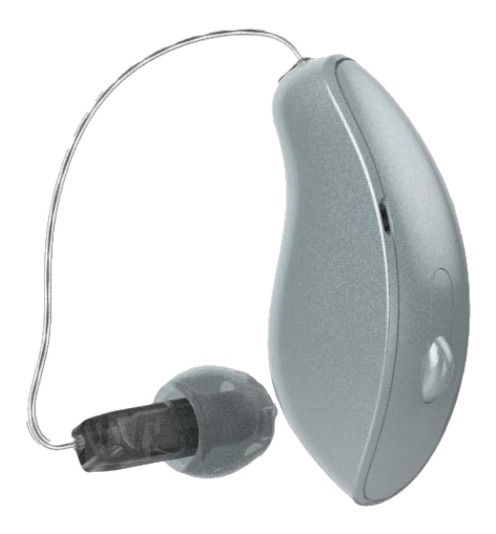
Going private buys you more choice — of style, of technology, and usually of how quickly you're seen. At BFG, our own range runs from Bronze (entry-level, from £700 per aid, 2-year warranty) through Silver and Gold to Platinum (our premium AI-featured aids, from £2,000 per aid) — with Silver, Gold and Platinum including a 5-year warranty and free aftercare service plan. Most people we see choose two aids for balanced hearing, so it's worth budgeting per aid, not assuming one price covers both ears.
What genuinely changes as you move up the range: smaller and more discreet styles, better performance in background noise, rechargeable batteries, Bluetooth streaming to your phone, and — at the top end — features like AI-assisted sound processing. What doesn't automatically change: whether the aid is right for your ears and your life, which is a fitting question, not a price-tag question.
Is a more expensive hearing aid always better?
Not necessarily, and we'd rather tell you that upfront than let you overspend. Clinical research is fairly consistent on this: the fitting and the match to the person drive outcomes far more than the price tier. A brilliant hearing aid badly fitted, or set up for the wrong lifestyle, will disappoint. A mid-range aid properly fitted by someone who takes the time to get it right will often out-perform it. That's exactly why we recommend what suits your lifestyle and budget, not the most expensive option on the shelf.
So — is it worth it?
Honestly, that's a question only you can answer, because it depends what you value:
- If cost matters most and you're not in a rush, the NHS route is a genuinely solid choice.
- If discretion, the newest technology, or being seen quickly matters, private is likely to serve you better.
- Either way, treating hearing loss at all — rather than putting it off — is the decision that actually moves the needle for your day-to-day life and, per the research on hearing loss and brain health, quite possibly your long-term wellbeing too.
Common questions
Are hearing aids free on the NHS?
Why do private hearing aids cost money if the NHS is free?
Do I need to buy the most expensive hearing aid?
Is it worth paying privately?
Sources
What we charge, and why
Our pricesHearing aids in GatesheadHearing aids in NewcastleHow we fit hearing aids
Talk it through — no pressure, no jargon
An unhurried assessment at our Team Valley clinic, or a home visit across the North East. We'll talk through what actually suits your budget and your life.